Get Emergency Electrical Help Anytime
Avoid These Dangerous Electrical Wiring Mistakes in Columbus, OH
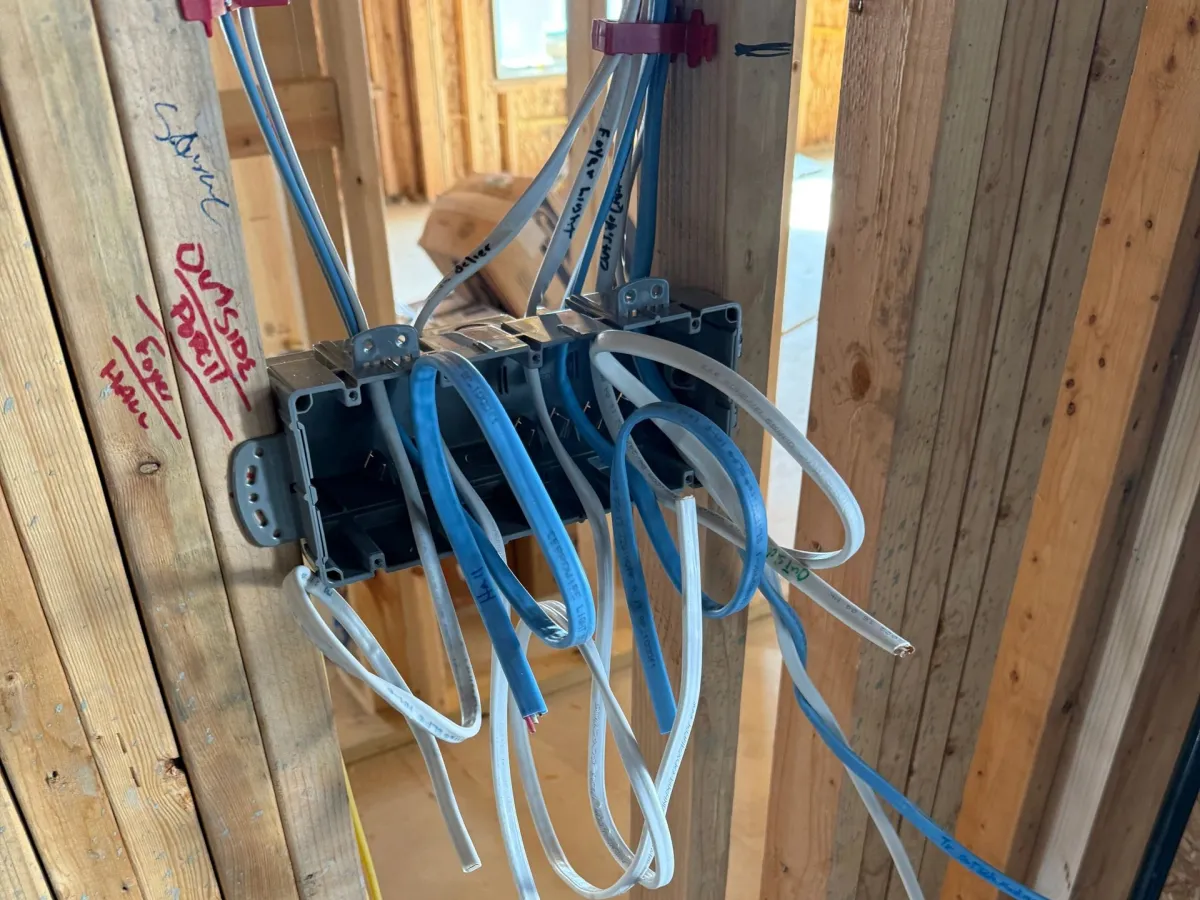
1. Overloading Circuits: The Silent Fire Hazard Lurking in Your Walls
Plugging multiple high-wattage appliances into a single circuit remains one of the most common yet dangerous mistakes homeowners make. When you exceed a circuit’s amperage capacity, the wiring heats up beyond safe operating temperatures. This excessive heat degrades insulation over time, creating conditions for electrical fires that often start inside walls where they go undetected until significant damage occurs.
In older Columbus neighborhoods with homes built before 1980, many properties still operate on 60-amp or 100-amp service panels that were never designed to handle modern electrical loads. Winter months bring particular risk when space heaters run alongside holiday lighting, pushing circuits past their limits. A circuit rated for 15 amps should never carry more than 12 amps continuously, yet many homeowners unknowingly exceed this threshold daily.
The financial cost extends beyond fire risk. Overloaded circuits trip breakers repeatedly, causing nuisance outages that damage sensitive electronics. Replacing a damaged television or computer costs hundreds of dollars, while rewiring a single room averages between $500 and $2,000. Professional electrical wiring installation distributes loads appropriately across multiple circuits, preventing both safety hazards and expensive equipment failures. When your breakers trip frequently or outlets feel warm to the touch, immediate inspection prevents small problems from becoming costly emergencies.
2. Using the Wrong Wire Gauge: A Costly Code Violation
Wire gauge determines how much electrical current a conductor can safely carry. Installing wire that is too thin for the circuit’s amperage creates resistance, generating heat that can melt insulation and ignite surrounding materials. This mistake often occurs during amateur installations when homeowners purchase whatever wire appears least expensive without understanding amperage requirements.
A 20-amp circuit requires 12-gauge wire, while a 15-amp circuit needs 14-gauge wire at minimum. Using 14-gauge wire on a 20-amp circuit violates the National Electrical Code and creates immediate fire risk. During home inspections, incorrect wire gauge triggers failed inspections, delaying real estate transactions and forcing expensive rewiring before closing. Sellers in the Columbus area have paid between $1,500 and $5,000 to correct improper gauge wiring discovered during pre-sale inspections.
Large appliances demand even heavier wire. Electric dryers, ranges, and air conditioning units require 10-gauge or 8-gauge wire depending on amperage. Incorrect gauge on these high-draw circuits leads to premature appliance failure when voltage drops under load. Professional electrical wiring repair verifies that every circuit uses appropriately sized conductors, protecting both your property investment and your family’s safety. When planning any electrical addition or modification, proper wire selection from the start prevents expensive corrections later.
3. Skipping Ground Fault Circuit Interrupters in Wet Locations
Ground Fault Circuit Interrupters (GFCIs) detect electrical imbalances and shut off power within milliseconds, preventing electrocution. Code requires GFCI protection in bathrooms, kitchens, garages, basements, and outdoor locations where water contact creates shock risk. Despite these requirements, many older homes throughout Cleveland, Cincinnati, and Columbus still have standard outlets in wet locations, exposing occupants to lethal hazards.
Water conducts electricity efficiently. When a plugged-in hair dryer falls into a sink or bathtub, a GFCI-protected circuit cuts power before current can flow through a person’s body. Without GFCI protection, that same scenario results in electrocution. The Consumer Product Safety Commission estimates that GFCI protection could prevent approximately two-thirds of the electrocutions occurring annually in homes.
Beyond the immeasurable cost of injury or death, insurance companies increasingly deny claims for water-related electrical damage when required GFCI protection was absent. A single denied claim for water damage can exceed $10,000. Retrofitting GFCI protection costs between $150 and $300 per circuit, a minimal investment compared to potential losses. Professional outlet installation and repair ensures all wet locations receive proper GFCI protection. During Ohio’s humid summers when basements experience moisture buildup, properly protected circuits become particularly important for preventing shock hazards in these below-grade spaces.
4. DIY Panel Upgrades: When Saving Money Becomes Dangerous
The electrical service panel distributes power throughout your entire home. Amateur panel work represents one of the most dangerous electrical mistakes homeowners attempt. Service panels contain live utility connections that remain energized even when the main breaker is off. Contact with these terminals causes severe burns, cardiac arrest, or death. Yet online tutorials convince homeowners that panel upgrades fall within DIY capabilities.
Improper panel installation creates multiple failure points. Incorrectly sized main breakers fail to protect downstream circuits. Loose connections generate arcing that ignites panel components. Improper grounding leaves the entire electrical system vulnerable to surges and creates shock hazards throughout the home. When these mistakes cause fires, insurance companies routinely deny claims for unpermitted electrical work, leaving homeowners financially responsible for total losses that can exceed $100,000.
Municipalities throughout Ohio require permits and inspections for panel work precisely because the risks are so severe. Unpermitted panel modifications discovered during home sales force expensive corrections and professional certifications before transactions can proceed. The average panel replacement or upgrade costs between $1,500 and $3,000 when performed correctly from the start. Attempting to save a few hundred dollars through DIY work often results in paying twice when the work must be redone properly, plus potential fines for code violations. Licensed panel repair and replacement services protect both your immediate safety and your property’s long-term value.
5. Ignoring Aluminum Wiring: The Ticking Time Bomb in Older Homes
Between 1965 and 1973, builders installed aluminum wiring in millions of homes as a cost-effective alternative to copper. Today, those aluminum circuits present serious fire risks. Aluminum expands and contracts more than copper with temperature changes, causing connections to loosen over time. These loose connections create resistance, generate heat, and start fires. The Consumer Product Safety Commission reports that homes with aluminum wiring are 55 times more likely to reach fire hazard conditions than homes with copper wiring.
Many Columbus-area homes built during this period still contain original aluminum wiring. Warning signs include warm outlet covers, flickering lights, a burning smell near outlets, or outlets that stopped working. These symptoms indicate dangerous connection failures requiring immediate attention. Homeowners insurance companies now require disclosure of aluminum wiring, and many insurers charge higher premiums or refuse coverage entirely for homes with unmitigated aluminum circuits.
Complete rewiring eliminates aluminum wiring risks but costs between $8,000 and $15,000 for an average home. COPALUM crimp connections provide a less expensive remediation method, permanently attaching copper pigtails to aluminum wire at every connection point. This specialized repair typically costs $2,000 to $5,000 depending on the number of connections. Either solution requires licensed electrical work to ensure proper execution and insurability. When purchasing a home built between 1965 and 1973 in Grove City, Delaware, or surrounding areas, professional electrical inspection identifies aluminum wiring before closing, allowing you to negotiate repairs or pricing adjustments that protect your investment.